




Types of Wallpaper Materials: How To Choose the Right Wallpaper for Your Space

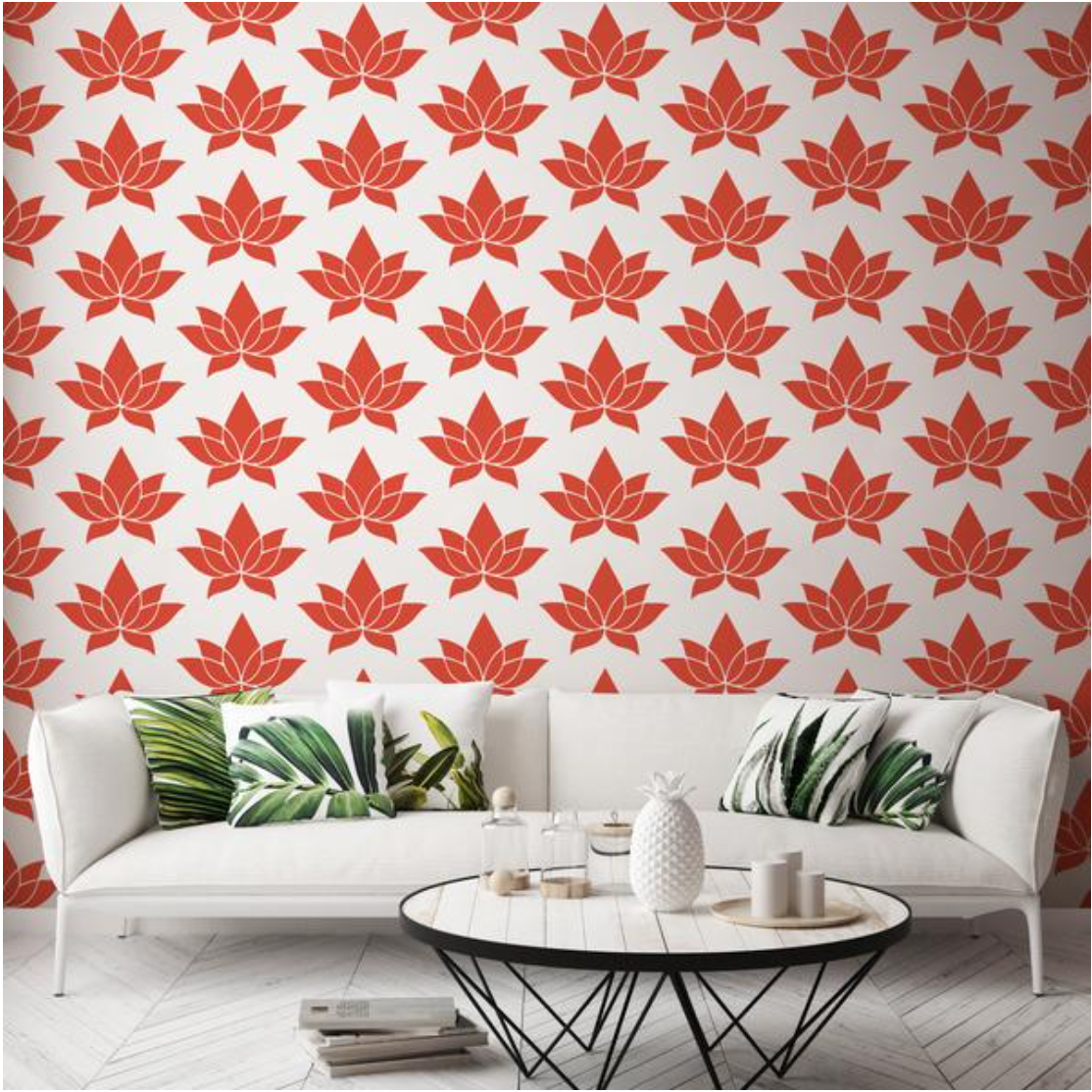
When you’re redesigning a room, there are few design elements that make a bigger difference than wallpaper. A stunning pattern or mural can redefine a room’s look and atmosphere by adding personality and creating dimension. With advancements in printing, manufacturing, and installation technology, homeowners have more options than ever. But before you go ahead and order your favorite design, you need to consider a few practical factors — namely, the material.
Various wallpaper materials perform differently in different conditions. They each offer their own advantages and drawbacks, particularly when it comes to durability, texture, maintenance, and appearance. Not all materials are suitable for all spaces. Understanding the key differences can help you ensure your wallpaper is aesthetically pleasing and lasts as long as possible.
In this guide, we’re diving into the most popular wallpaper materials and when to use them.
Why Wallpaper Material Matters
The wallpaper material you choose has a big impact on a number of practical and aesthetic factors, including:
-
Longevity: Some materials are designed to last for decades, while others are meant to act as a more temporary design element.
-
Durability: Certain types of wallpaper are able to handle more wear and tear than others, such as UV or moisture.
-
Maintenance: While some wallpapers can be wiped and washed with water, others require more delicate maintenance routines.
-
Installation: Some materials are well-suited to DIY installations, while others may need professional installation.
-
Texture and finish: A wallpaper can be smooth, matte, shiny, or textured depending on the material.
-
Environment suitability: Certain wallpapers can hold up in humid rooms like bathrooms and kitchens, but others can degrade when exposed to moisture.
Vinyl Wallpaper
Vinyl is considered the gold-standard wallpaper material when it comes to durability, which is why it's frequently used in commercial businesses and high-traffic or high-moisture spaces. These wallpapers are made using a protective polyvinyl chloride (PVC) coating, made from heavy-duty synthetic plastic that can withstand moisture, stains, and everyday wear and tear.
There are two types of vinyl wallpaper: type I vinyl, which is more lightweight, and type II vinyl, which is thicker and offers construction-grade durability.
Benefits of vinyl wallpaper include:
-
Moisture resistance: Won't warp, peel, or trap mold in humid spaces like bathrooms, kitchens, and laundry rooms
-
Aesthetic versatility: Available in a wide range of patterns, styles, and faux textures
-
Longevity: Can last for 20+ years with proper care

Premium Paper Wallpaper
Premium paper is the classic wallpaper material, typically made from a blend of natural cellulose fibers (wood pulp) and synthetic fibers for the perfect balance between luxury and durability.
Wallpapers of this material provide a refined look with exceptional print clarity. It’s less durable than vinyl, meaning it should be avoided in humid environments or high-traffic areas. But it works beautifully in elegant or traditional rooms where visual depth and crispness are preferred.
Premium paper comes with a number of benefits, including:
-
High-definition printing: Great for intricate designs when you want motifs to truly pop
-
Luxury appearance: Typically has a smooth, matte finish that looks stunning in elegant interiors
-
Eco-friendly: Made from mostly natural, recycled fibers

Grasscloth Wallpaper
Grasscloth wallpaper brings organic warmth and texture to any room. Made strictly with natural woven fibers such as jute, hemp, seagrass, or sisal, each roll of grasscloth is handcrafted.
Because it uses entirely natural fibers, no two rolls are exactly the same. Each has its own unique grooves and tonal variations, which result in incredible dimension and craftsmanship that adds timeless charm to interiors. However, grasscloth is less durable than other materials, and should generally be avoided in humid spaces.
Here are some of the benefits of choosing grasscloth:
-
Unique texture: One-of-a-kind texture variations add warmth and dimension to a room
-
Eco-friendly: Crafted using only natural materials, making it a sustainable choice for environmentally-conscious homeowners
-
Sound control: Woven fibers create natural noise absorption, ideal for home offices, media rooms, and other spaces that require focus

Faux Grasscloth
Faux grasscloth wallpaper is designed to mimic the textured look and feel of natural grasscloth, yet it’s made with synthetic fibers.
This gives homeowners the best of both worlds, combining the visual interest and high-end look of grasscloth with the durability and moisture-resistance of non-woven wallpapers.
Faux grasscloth offers many benefits, like:
-
Moisture resistance: Can be installed in humid spaces, unlike traditional grasscloth
-
Consistency: Offers a more uniform look that hides visible seems
-
Budget-friendly: Tends to be more affordable than real grasscloth
Peel and Stick Wallpaper
Peel and stick wallpaper is the perfect choice for renters, DIY decorators, and anyone who enjoys refreshing their space frequently. These wallpapers can be made with synthetic fibers such as vinyl or a polyester blend. But they come with a self-adhesive backing (sort of like a giant sticker), eliminating the need for a separate paste and making the installation process a breeze.
Because peel and stick wallpaper doesn’t need an independent adhesive, it’s also easy to remove without damaging the wall or leaving behind excess residue. This provides unmatched style options and durability in one.
Here are some benefits of using peel and stick wallpaper:
-
Mess-free installation: Easy to install without the need for a messy adhesive paste
-
Versatile: Comes in a wide range of designs and patterns, and makes it easy to swap out styles (ideal for nurseries, seasonal décor, etc.)
-
Renter-friendly: Doesn’t damage walls, so renters can customize their space without risking their deposit
How To Choose the Right Wallpaper Material
The right material really depends on your aesthetic preferences and the practical needs of your space. Here’s a quick guide to different wallpaper materials and where to use them:
-
Vinyl: Commercial spaces and high-traffic areas where durability is essential, like hallways and humid rooms
-
Premium paper: Elegant spaces, low-moisture rooms like dining rooms, bedrooms, and formal living areas,
-
Grasscloth: Low-traffic, dry areas like offices, bedrooms, and accent walls
-
Faux grasscloth: Wherever you want the look of grasscloth but need durability
-
Peel and stick: Rentals, nurseries, and any room where you want a temporary design
Transform Your Living Spaces With Mitchell Black
The right pattern in the right texture and finish can turn a plain, unloved room into a design statement and a place where you genuinely enjoy spending time. Picking the right material depends on how you use the room, what your aesthetic goals are, and the type of installation you want. Then, it’s all about choosing the perfect design.
Mitchell Black’s wallpaper collections feature something for everyone. Choose from classic floral and damask patterns, whimsical watercolor illustrations, bold geometrics, mid-century modern prints, and much more. Browse our collections and order samples of your favorites.
Have questions about materials, design pairings, or installation? Schedule a session with an expert through our concierge service and find out more.


Leave a comment