



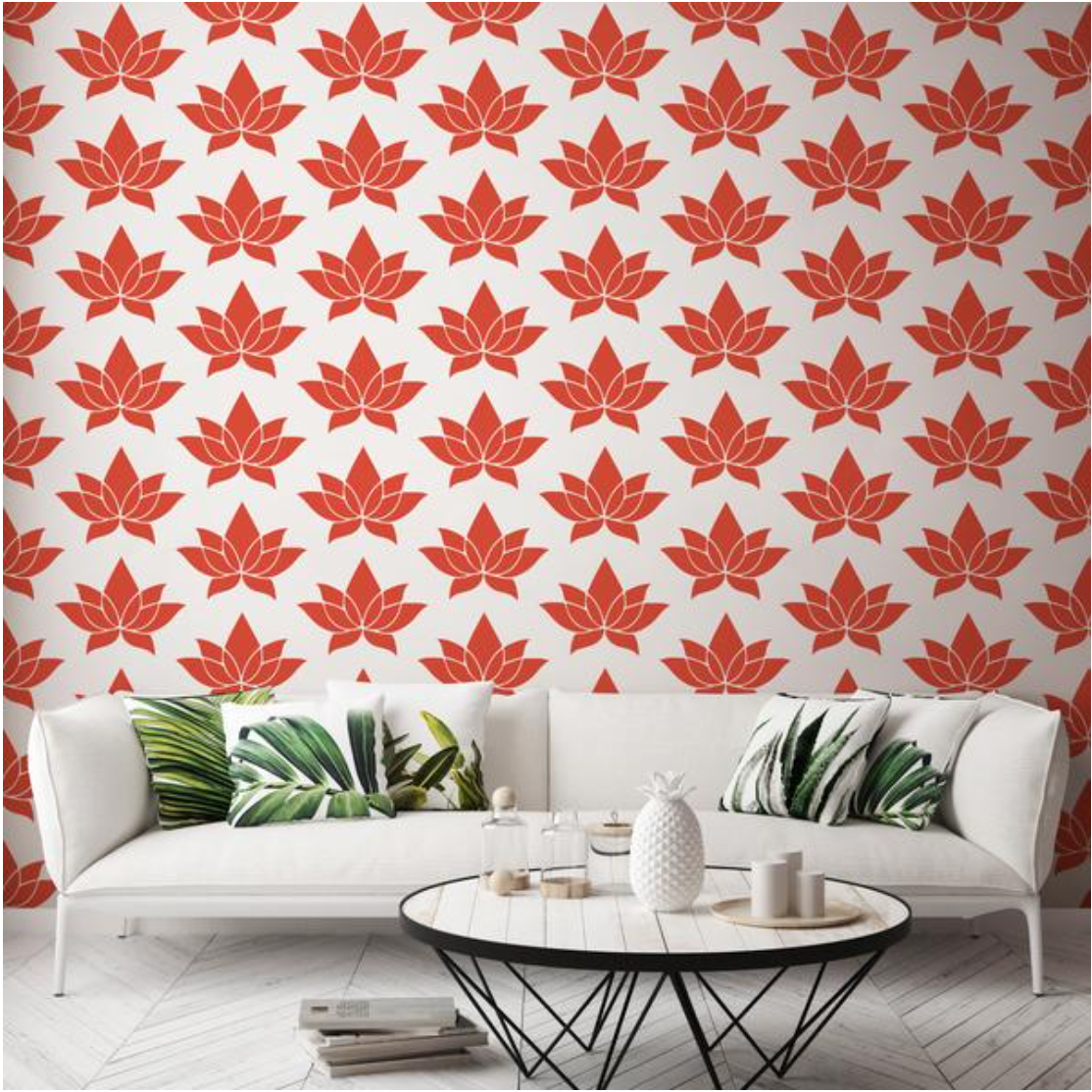

Peel and Stick vs. Traditional Wallpaper: Which Is Right for You?
Wallpaper has come a long way from the sticky, difficult-to-remove rolls many of us remember from childhood homes. Today, the biggest decision isn't just pattern or color, it's material. Peel and stick and traditional paste wallpaper each bring something different to a room, and choosing between them comes down to more than personal preference. It depends on your space, your timeline, and how long you plan to live with the design.
This guide breaks down the real differences so you can choose with confidence, not guesswork.
What Makes Peel and Stick Different
Peel and stick wallpaper uses a pre-applied adhesive backing, similar to a large sticker. There's no paste to mix, no brush to smooth it with, and no drying time before you can trim the edges. It's designed to be applied directly to a clean, smooth wall.
This makes it a natural fit for renters, first-time DIYers, and anyone who wants to test a bold pattern without a long-term commitment.
What Makes Traditional Wallpaper Different
Traditional wallpaper is applied with a separate adhesive paste and pressed into place with a smoothing tool. It requires more preparation, patience, and often a second set of hands, but the payoff is a more permanent, professional-grade finish. Traditional paper also tends to perform better over time on textured or slightly imperfect walls, since the paste has more flexibility to grip and settle into the surface, which is part of why materials like grasscloth are almost always sold as paste the wall.

Which One Goes Up Faster?
Peel and stick has the clear edge here. Without paste to mix or dry, a single wall can often be finished in an afternoon, and cleanup is minimal. Traditional wallpaper takes longer, both because of the paste itself and because most designs benefit from a bit more precision during hanging, especially with pattern matching.
Which One Is Better for Renters?
This one is straightforward. Peel and stick was practically designed with renters in mind. It goes up without damaging the wall and comes down cleanly when it's time to move, which makes it the obvious choice for anyone who doesn't own their walls outright, or simply likes to change up a space more often than a homeowner might.
Which One Handles Bold Patterns Better?
Both materials come in the same range of patterns, so this comes down more to wall condition than the material itself. A perfectly smooth, freshly prepped wall will show a crisp pattern beautifully in either format. On a less-than-perfect wall, traditional paste tends to smooth out small imperfections more forgivingly than peel and stick, which can telegraph texture underneath.
A Quick Way to Decide
-
Choose peel and stick if: you're renting, want a quick weekend project, or like to change your space every few years.
-
Choose traditional if: you own your home, want the most polished possible finish, or you're wallpapering a space that sees a lot of daily wear.
-
Either way: a smooth, well-prepped wall makes the single biggest difference in how the final result looks, regardless of material.

Ready to Choose Your Wallpaper?
There's no wrong answer between peel and stick and traditional, only the right one for your space and your plans. Whichever direction you lean, Mitchell Black offers premium designs in both materials, so you never have to compromise on pattern to get the installation experience that fits your life.
Not sure which format makes sense for your project? Explore our wallpaper collections, order samples, and connect with a design specialist through our concierge service.


Leave a comment